

The Nerd Newsletter
Join our Nerd Nation with frequent updates from Black Nerd Problems
Bookmark
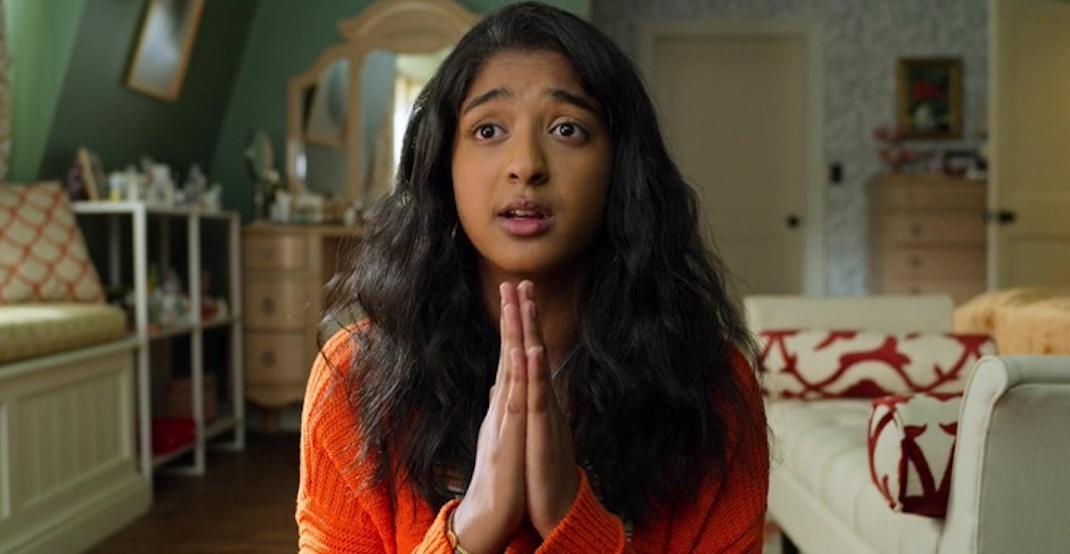
Spoilers for season 1 of Never Have I Ever. On its surface, Netflix’s newest teen comedy series Never Have I Ever is an example of progress in diverse representation in media. It stars Devi (Maitreyi Ramakrishnan), an uncool sophomore in high school coping with her social status as a nerd and the stunning loss of her father. She’s the “Indian kid,” a fact she doesn’t take with particular pride, but the journey ahead of her would be a coming-of-age story with a positive message for non-white teens who navigate predominately white spaces. Or so I expected. I binged the series partly out of love for one of my favorite genres, coming-of-age teen romance (see To All the Boys I’ve Loved Before, The Half of It, and Normal People, to name a recent few), but also by peer pressure from likeminded television fans and movie buffs who live for this sort of thing. That’s how I found myself on a Zoom call venting with African-American, Indian-British, Indian-Australian, and Indian-Australian-living-in-America friends trying to understand what bothered us so much about Never Have I Ever. We stan for diversity and representation. Why weren’t we stanning for this?
Not to bury the lead, the short answer is its writing. More on that in a moment, but the TL;DR version of Never Have I Ever’s problems are a deep pit of missed opportunities, an unclear audience, and a revisiting of certain tropes that are tired if not damaging. Its unfulfilled promise lives somewhere between forfeiting any meaningf…

YOU’VE REACHED YOUR LIMIT
Become a member and continue reading
Support independent journalism and unlock full access to our stories, analysis, live streams, and exclusive editorial content.
- Access to all member-only stories on
- Support writers you read most
- Read everything behind a paywall
- Access to live streams
- Comment on articles
Meet the author

Jordan Calhoun
Jordan Calhoun is a writer in New York City. His forthcoming debut book "Piccolo Is Black" is a celebration of the common adaptations we made while non-diverse pop culture helped us form identities. He holds…
View profile

Subscribe for more
Be part of the conversation
Subscribe to Black Nerd Problems to start commenting.
Already have an account? Log in