
The Nerd Newsletter
Join our Nerd Nation with frequent updates from Black Nerd Problems
Bookmark
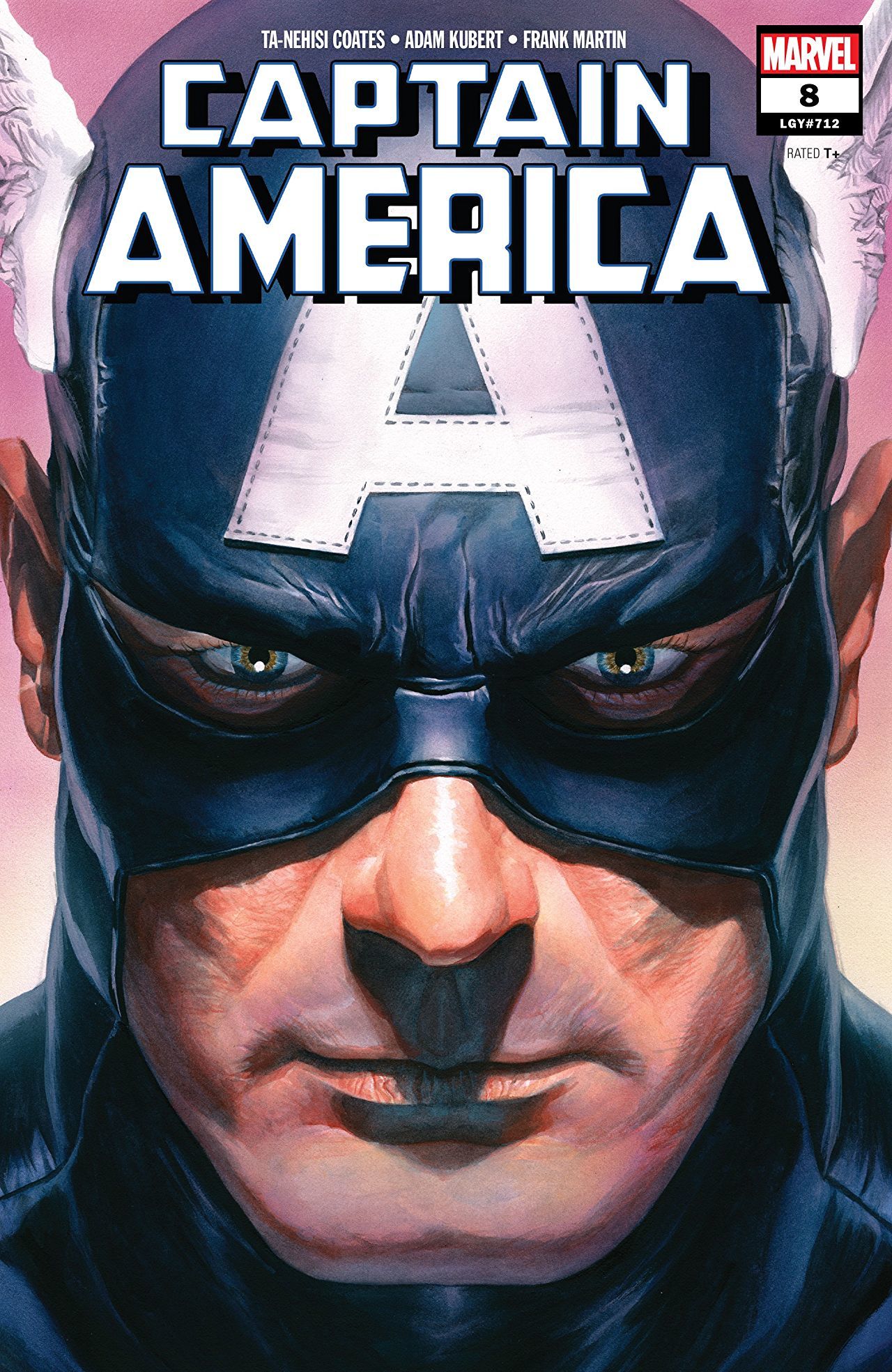
Writer: Ta-Nehisi Coates / Artist: Adam Kubert / Marvel Comics The first arc of Ta-Nehisi Coates’ Captain America was an entertaining and captivating Captain America story. It was a great example of what you’d expect from this story. As Coates’ first go-round with the character, that’s probably how things should go. The second arc of this run however, “Captain of Nothing,” appears to be of an entirely different variety. Instead of fighting opposing forces to protect the prestige of the United States, the table has been flipped. Cap’s now a victim of a system that was put in place by the very same country he protected for years. Issue #8 picks up with Steve behind bars in Myrmidon, a privately-owned and privately-run prison that holds individuals deemed as the world’s most dangerous. Practically every cell is filled with a former super-villain that once went toe-to-toe with your favorite Marvel characters. [It’s actually a lot of fun to try and pick them out throughout the pages.] Then there’s Steve Rogers.
A man who was once a symbol of hope for an entire country and way of life, who’s been wrongfully accused of a crime he didn’t commit. At first glance, it appeared that this was going to be yet another story where someone who once enforced the law is now a victim of it. I anticipated Steve spending his days and nights constantly being hunted down by literally everyone around him and trying to survive. Instead, Coates takes a very fresh approach to Steve’s confinement. He’s …

YOU’VE REACHED YOUR LIMIT
Become a member and continue reading
Support independent journalism and unlock full access to our stories, analysis, live streams, and exclusive editorial content.
- Access to all member-only stories on
- Support writers you read most
- Read everything behind a paywall
- Access to live streams
- Comment on articles
Meet the author





CommentsNo comments yet
Subscribe for more
Be part of the conversation
Subscribe to Black Nerd Problems to start commenting.
Already have an account? Log in