


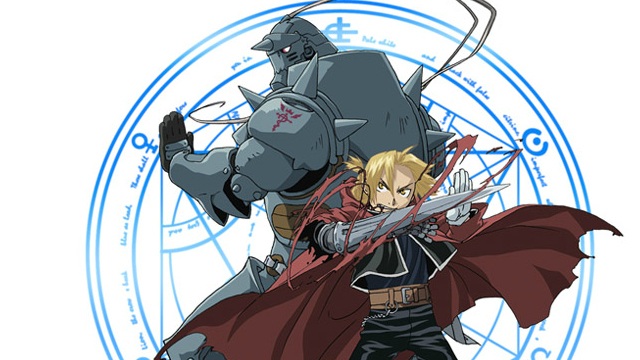
With the release of the live-action Fullmetal Alchemist this year (and, even more, an all Japanese cast — that’s right, in this age in which Scarlett Johansson can be Motoko Kusanagi and white people can fill in for, well, any race imaginable, we’ve got a Japanese cast!), I’ve decided to pay homage to the iconic manga/anime with this spoiler-free list of reasons why you should discover or re-watch Fullmetal Alchemist and Fullmetal Alchemist: Brotherhood, what I consider one of the greatest anime of all time.
Okay, so this is an obvious place to start, but this series simply has an engaging, entertaining plot. There’s enough action to make it dangerously binge-worthy without making it feel like an overdone action flick. There are surprising twists and turns in both the original and Brotherhood, but I have to say that the latter does come out on top in terms of what it offers. While the original veered away from the manga into some strange but interesting areas, Brotherhood sticks more closely to the manga’s story, which is much broader in scope and has a hell of a lot more at stake. It took me years to watch Brotherhood because as much as I love FMA, I couldn’t forget how thoroughly I was wrecked by the tragic deaths of some of the characters. But despite how dark the show might get—and this holds true of both versions—there is always plenty of humor throughout, so nothing ever feels hopeless.

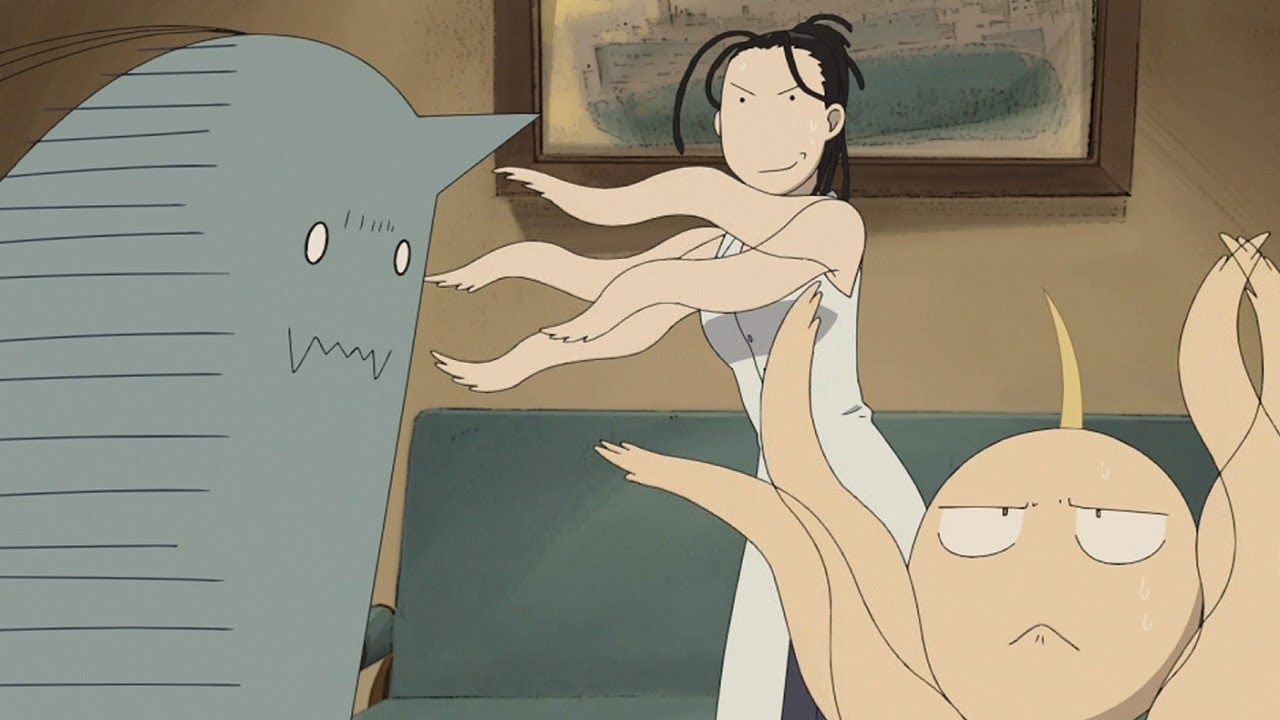
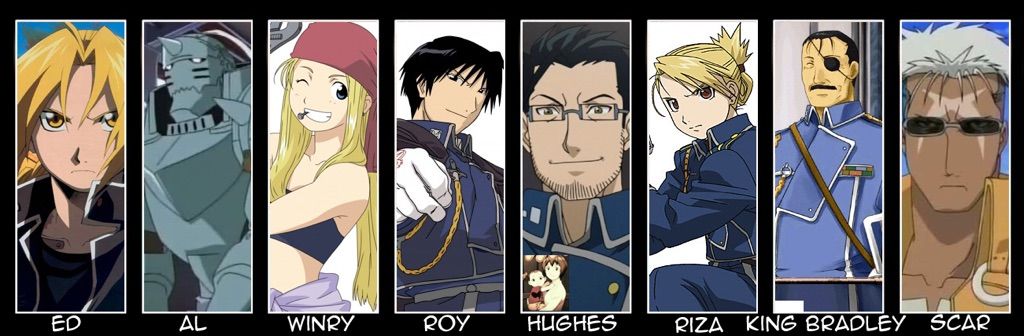
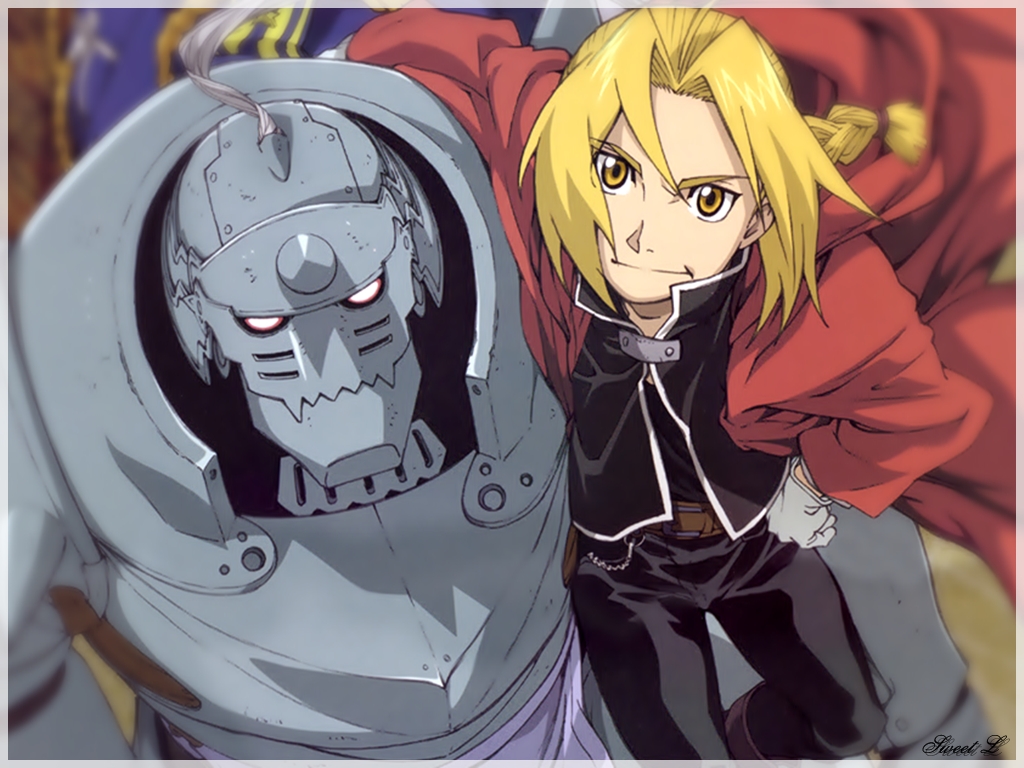
It’s tough to beat the Elric brothers. They’re brilliant and talented, with an unmatched brotherly bond (hence the name, Brotherhood). But they’re also flawed—sometimes immature, sometimes impulsive; and, of course, their mistake, one that breaks the greatest taboo in alchemy, is what starts their journey in the first place. Then there’s the consummate badassery of Colonel Mustang and Lieutenant Hawkeye, and the constant humor of Colonel Hughes and Major Armstrong. And there’s no greater—or more endearing—mechanic than Winry Rockbell. And I’m pretty sure Izumi Curtis can take down anyone and anything. In general, though there are a good amount of characters in this universe, particularly in Brotherhood, the characters all feel well-rounded—flawed, sympathetic, etc.—even the villains.

I can be a tough (read: unfair) critic of fantasy as a genre sometimes, which, yes, I know, you genre fans can crucify me for. So when I say magic is a plus of this series, I’m not saying it lightly. My main problem with magic—and magical elements—is when it is used as an easy, convenient, patchwork fix to problems that may naturally arise in the plot. If you’ve written yourself into a corner, draw wings on a character and have them fly right out of that corner. See what I mean? But the thing with the magic in FMA is that it isn’t actually magic—at least within the logic of the series. Alchemy is a science, and behind that science is a non-negotiable rule—the rule of equivalent exchange.
The Elric brothers don’t consider themselves magicians or miracle workers—though some may see them as such; rather, they simply consider themselves scientists who have figured out the formula they need to do what they need to do. And whenever a loophole to the rules of alchemy is found, that loophole is explained, and the repercussions are certainly felt. Basically, you can’t make something from nothing. You hear that, Gandalf? (Just joking; you’re the best, Gandalf.)

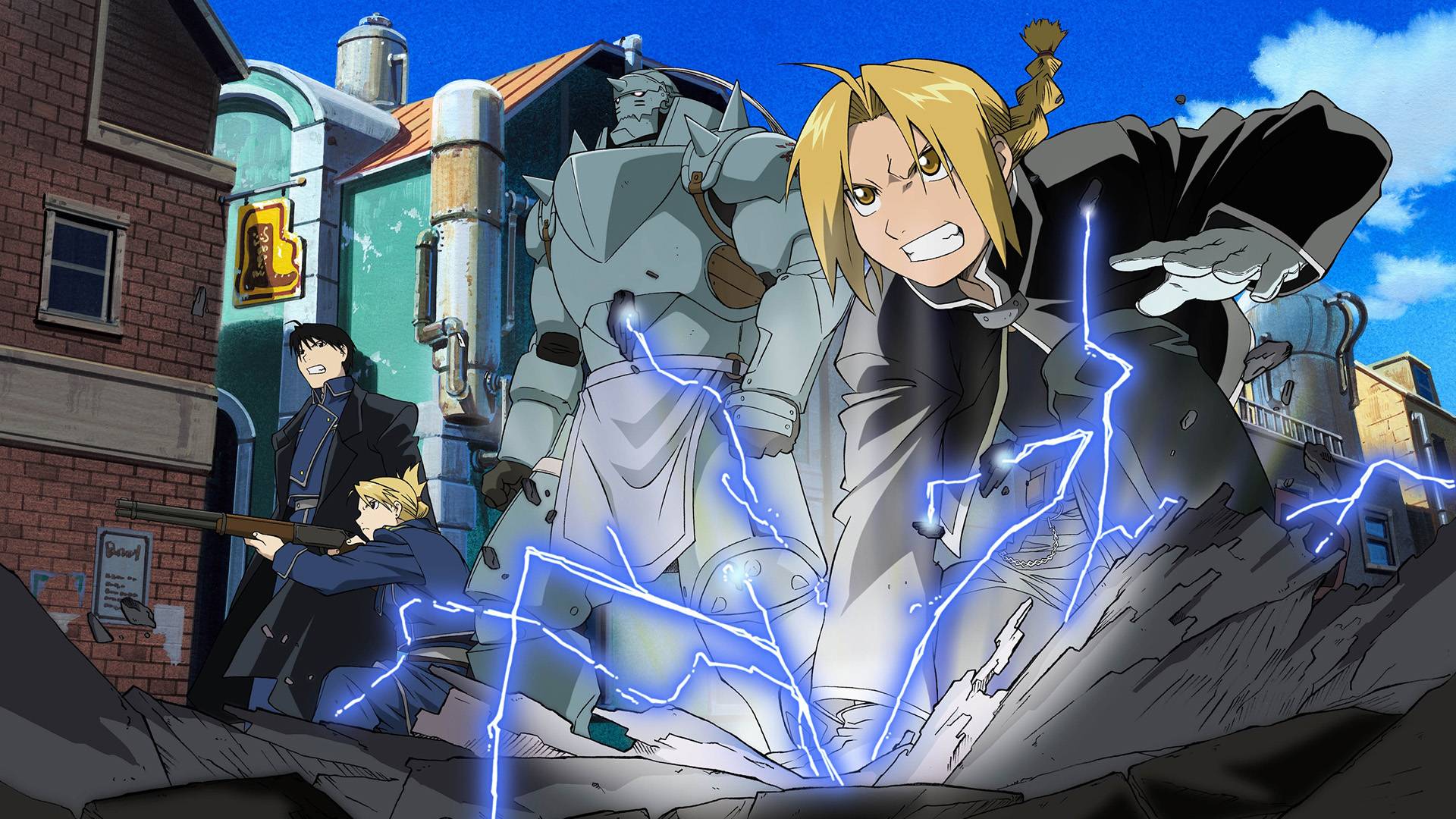
In a show where people have the ability to transform elements with the clap of two hands, it should come as no surprise that the question of what constitutes a human life—even more, a human soul—may come up. Or perhaps it does come as a surprise. After all, the series certainly did not have to go there, and yet it does, again and again, sometimes in moments that are truly tragic. Even the fact that the series’ villains are facets of human identity—literally, manifestations of human sins and vices, and the by-products of human ego—points to the series’ dedication to the existential problems behind its central premise.
Sure, alchemy seems like a great idea at first—useful, convenient, and, of course, cool—but the series’ characters are constantly aware of the implications of humans who can create by magic. At what point do these practices become the act of playing god? At what point does a human gain more agency than he or she has the right to use? And that leads me to my next point …
I love characters with integrity, and I think a lot of people are with me in that. If a character has a clear set of morals and intentions, you understand them as more than just a fiction—they become more human. Of course, you could also argue, it’s a character’s transgressions and failures that make him or her seem more human—because isn’t a character who unerringly maintains his or her stances on morality and justice just a symbol, more ideal than real? Possibly. But what’s interesting about this series is that the two central characters are no more than children, and their worldviews are simplified accordingly. Though they have to deal with adult situations, their understanding of their relationship to each other and to the world around them is still tinted with the optimism and innocent moral judgement of youth.
But that also isn’t to say that their morals go on unchallenged. One of the constant sources of tension in this series is the discrepancy between what they’re pushed to do by their external situations and what they believe to be right. And it’s not just the Elric brothers—Mustang, Hawkeye, Armstrong, and others must contend with the gap between their personal beliefs and their obligations, particularly as soldiers of the state. The ways these characters navigate the space between their morals and the real world is what makes this such an addictive, surprising series.
This one belongs more to Brotherhood than to the original, but the political scheming is prevalent in both series. I won’t spoil too much here, but there are plenty of conspiracies in Amestris, which functions under martial law. Basically, this is what happens when you don’t know your leaders, and when war is the country’s greatest priority. Sound familiar?


The original series’ animation was sharp at the time, but you can certainly see its age when you watch it now. Fortunately, Brotherhood maintains the style and aesthetic of the original series but updates the animation with a shine and gloss that’s even more of a pleasure to watch than the original. And as for the acting, well, let me just say that FMA is one of the very few anime series that I prefer to watch in the English dub—and with good reason. The voice actors behind FMA are known for their great takes on the characters, and they returned to do the dub for Brotherhood as well.
Not convinced? Check out the other picks on my list of top 10 essential anime all otaku should watch.
Are you following Black Nerd Problems on Twitter, Facebook, Tumblr or Google+?