


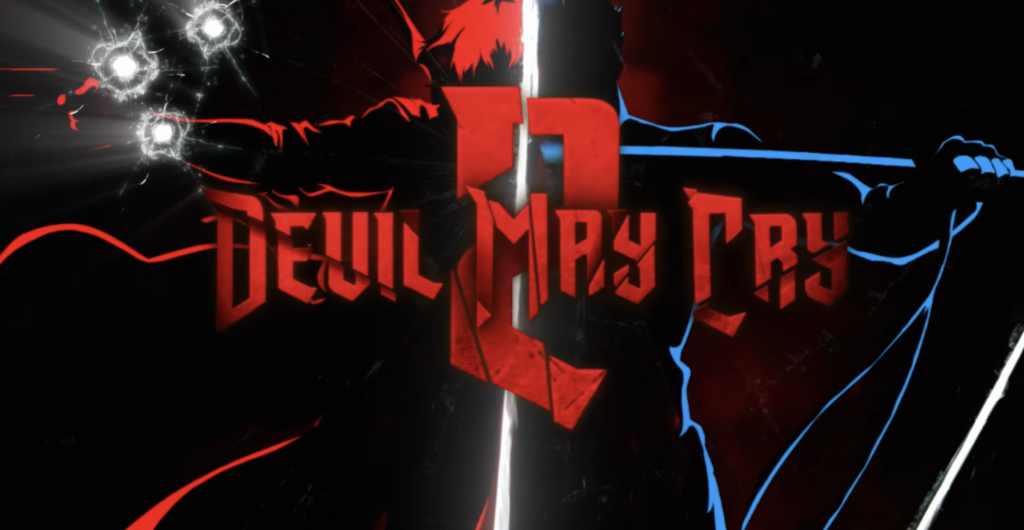

Devil Might Cry
Devil May Cry was a genre-changing game, heavy on the stylistic hack and slash of it all. Full on Japanese tongue in cheek married to American smash-mouth. On paper, it never should have worked. But it did. A cult classic that came out of nowhere. The animated series had the same trajectory. Season one came out of the box swinging for the fences and never looked back. It should have looked back a little. Season two attempts to deepen the lore and set audiences up for what should be a match made in Netflix heaven. Can show creator Adi Shankar build a franchise on the back of a series that the core fandom didn’t enjoy?
Story So Far
At the conclusion of season one, we learn that the demon big bad, White Rabbit, is really a human who was forced to grow up in Hell (aka Makai in the manga). The Rabbit has taken up the cause of those suffering in Makai and is seeking revenge on Earth. After partnering with Lady (aka Mary) to take down the White Rabbit, Mary turns on Dante and betrays him by putting him on ice, a la Han Solo in carbonite. Oh yeah, Dante is half-demon, and his dad (Sparda) made a barrier between Makai and Earth. Also, the first season ended with the reveal that his (iconic) brother, Virgil, is alive.
This Time, On DMC
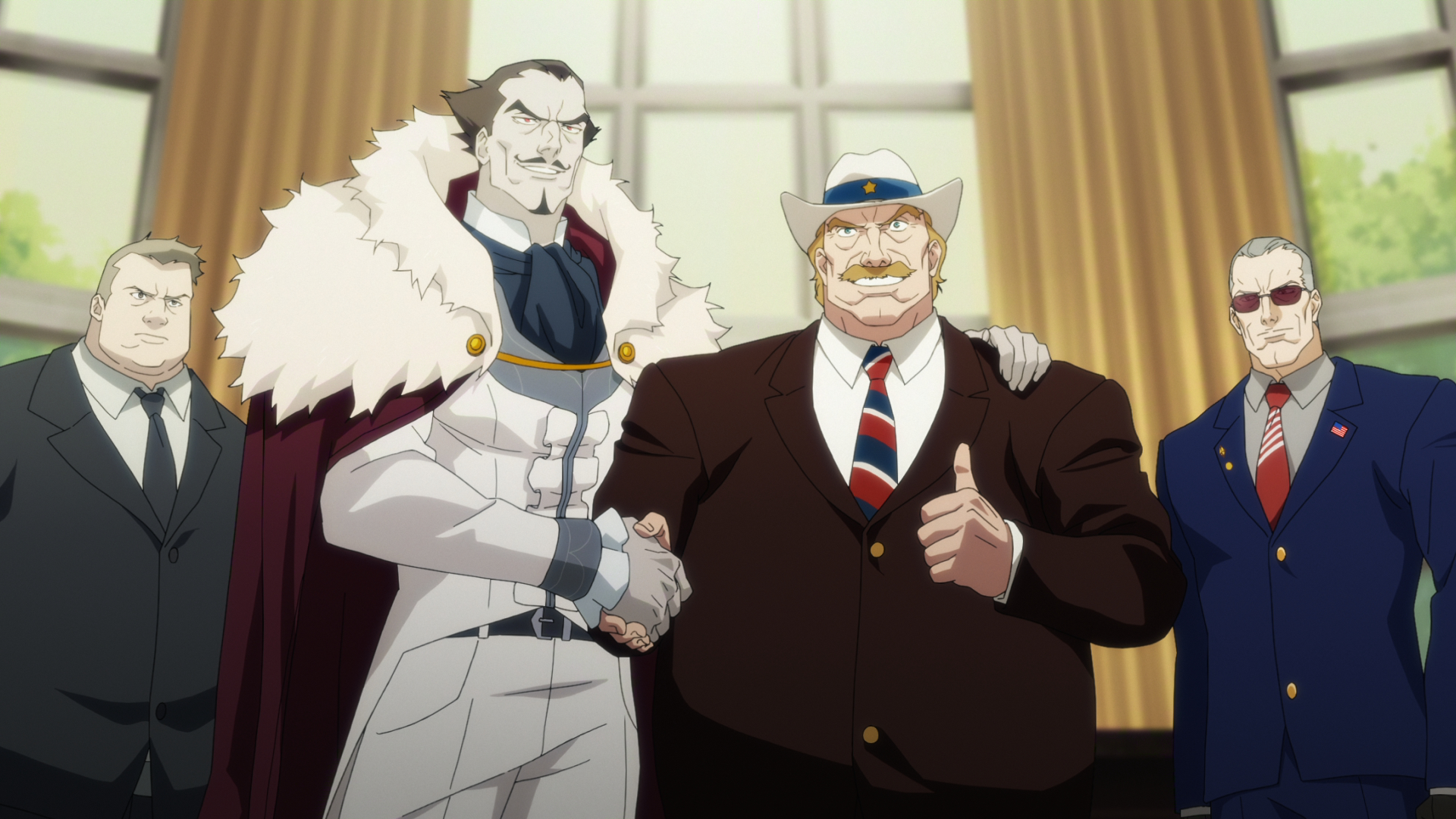
Given that the game series’ story felt paper-thin most times, this piece of animation really tries to fill in the gaps. In its attempt to flesh out the story, it further loses the plot of the characterization. Dante is once again used as a pawn in the war that the US government is waging against Makai, pitted against his brother Virgil, the golden boy of Hell. While the brothers engaging in casual fratricide is par for the DMC lore, what isn’t is their new motivations.
Despite the writing in the games being, well, wack – the rivalry between Dante and Virgil carried the franchise for decades. This idea of Dante being the devil on the side of the angels and Virgil being a power-obsessed emo with fantastically holding hair product made the meandering ‘story’ worthwhile. How resolute each brother was in their philosophies was the whole thing. Virgil wants power by any means. Dante wants his brother to open his heart to another way and is willing to give up his life to do so. That right there is the crux of the lore. Shankar’s animated series misses that completely. It bypasses the depth of that character development by leaning on newer animated series archetypes.
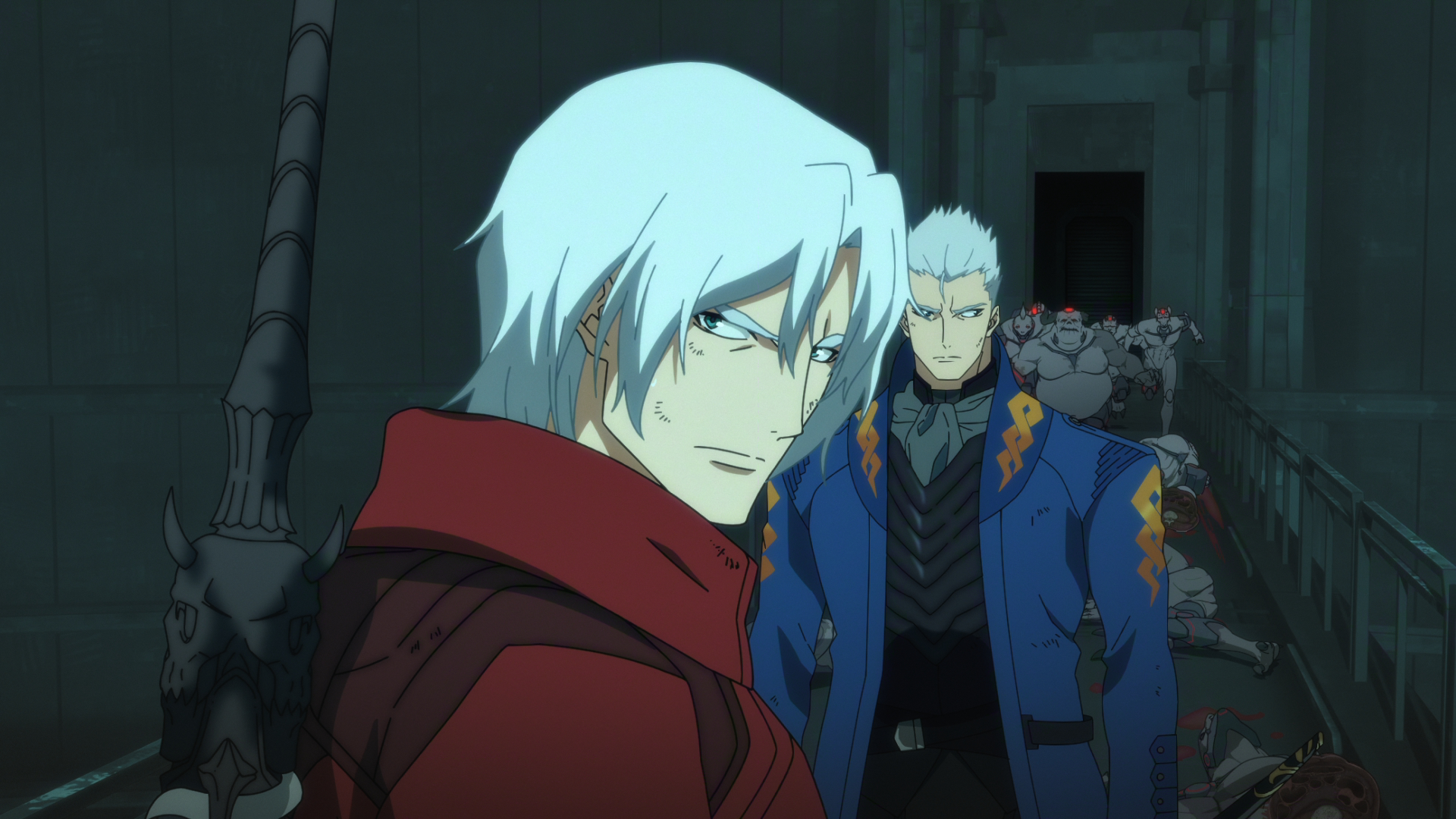
Dante is reimagined as a reckless scoundrel with a heart of gold and the hand skills of Donnie Yen. Virgil is fashioned into a confused emo bad guy who’s really a good guy for the wrong reason. None of this makes for a compelling Devil May Cry series. Season two ends with little to no growth for Lady and almost no logical forward progression for Virgil. I personally lived for Lady’s appearances in the games; this is not that. Lady is devoid of anything I enjoyed for years. It’s kind of annoying.
Stylish!!
Devil May Cry season two looks dope; it’s just solid enough animation from Studio Mir to carry between fight scenes. Aesthetics are a basic gloomy and gothic with a touch of dark realism. The world in the animated series looks exactly like the precursor to the world we slice and dice through in the games. You can also tell precisely when and where that budget was spent and where it was saved. Violence and gore are turned up a bit from last season, but nothing out of the ordinary for the DMC universe.
When Dante receives his trademark signature guns, Ebony and Ivory, he breaks into an exhibition of how good and balanced they are. Easily, a third of the season’s animation money went there; the choreography was so gratuitous and unnecessary it harkened right back to the opening of the original Devil May Cry game. It was arguably the best part of the entire season, and it goes for a full, glorious minute.

Where’s Your Motivation?
Season two of Devil May Cry excels at allowing the audience to turn its collective brain off and just watch some kickass action sequences. There are more than a few well-animated fight scenes, but they are easily undercut by the plot holes that the fights are supposed to be in service of. It’s only undone by the extreme deviation from character motivations.
This season is really giving ‘cultural wasteland’. It feels like a mashup of terrible things in the service of edginess. Things taken away, things mixed up, things done away with. Characters from the manga interacting with the game characters should be major, but the plot makes it feel weak. Not to mention the cheeky Capcom IPs tackily sprinkled throughout. Or the use of fan service that isn’t close to fully realized. How do we get to see the very badass custom rocket launcher synonymous with Lady, only to have it be barely used and never return?!?
Why in the world would you fumble the (actually) deep ‘altruism can exist in Hell’ philosophy of Devil May Cry by trying to fuse outdated current events to the idea that ‘humans are the real demons’? It’s almost like Shankar is running a ‘there’s good people on both sides’ campaign for the backdrop of the series, and it’s not hitting the way he thinks it is. Feels like a cop out and makes the edginess feel immature and performative. Premium ‘yikes’.
A NuMetal soundtrack should be a downside in the year of our AI lords, 2026. To the contrary, the music for season two kinda slaps. If you were like me, you played a couple of Linkin Park or Disturb’d tracks in the background while playing DMC. You know, for atmosphere. Watching Virgil hit the Marvel Vs. Capcom 3 Dimension Slash (with a dash of Spiral Swords for the eagle-eyed) to Papa Roach’s “Bodies” appealed to the alt teen in my yesteryears. Don’t sleep on the call to reach back to an era that speaks to what you’re seeing onscreen. Is the show edgy? No. Is the soundtrack? Absolutely.
Adi Shankar IS Dante
So much of what goes right and wrong with DMC season two falls directly on Adi Shankar’s shoulders. Not because they are ‘good’ or ‘bad’ at their work, but because you can tell immediately that all his works are personal somehow.
First, there’s a quiet and solemn tribute to recently deceased actor James Van Der Beek. I was taken aback by it as a lover of Dawson’s Creek in my teen years. Then I remembered that Van Der Beek was cast in a Power Rangers adaptation Shankar produced in 2015. Apparently, they were good homies and creative collaborators. The song, “See U In Hell,” hit without a hint of performativity. It felt like the most genuine thing in the season.
Furthermore, for all intents and purposes, Adi Shankar IS Dante. Or at least, he feels that he is. Like, if NuMetal was a person, it’d be Shankar. The same way that if you made NuMetal into a video game, it’d be Devil May Cry. Somewhere in that intersection, if you make Adi Shankar into a character, he makes himself into Dante.

That said, the series feels like Shankar’s take on Devil May Cry, and he’s running with it with Netflix’s blessing. So, if someone liked the series enough for it to be greenlit for a second round, expect a third. If this adaptation of DMC is working for someone, then devilspeed to all involved. I didn’t enjoy it very much, but I appreciate an original story when I see it. If you rock with Shankar’s earlier adaptations, you’ll probably rock with this one too. Devil May Cry season two premiered on Netflix earlier this May. Check it out and see what you make of it.
Want to get Black Nerd Problems updates sent directly to you? Sign up here! Follow us on BlueSky ,Twitter, Facebook, YouTube, Twitch, and Instagram!