

The Nerd Newsletter
Join our Nerd Nation with frequent updates from Black Nerd Problems
Bookmark
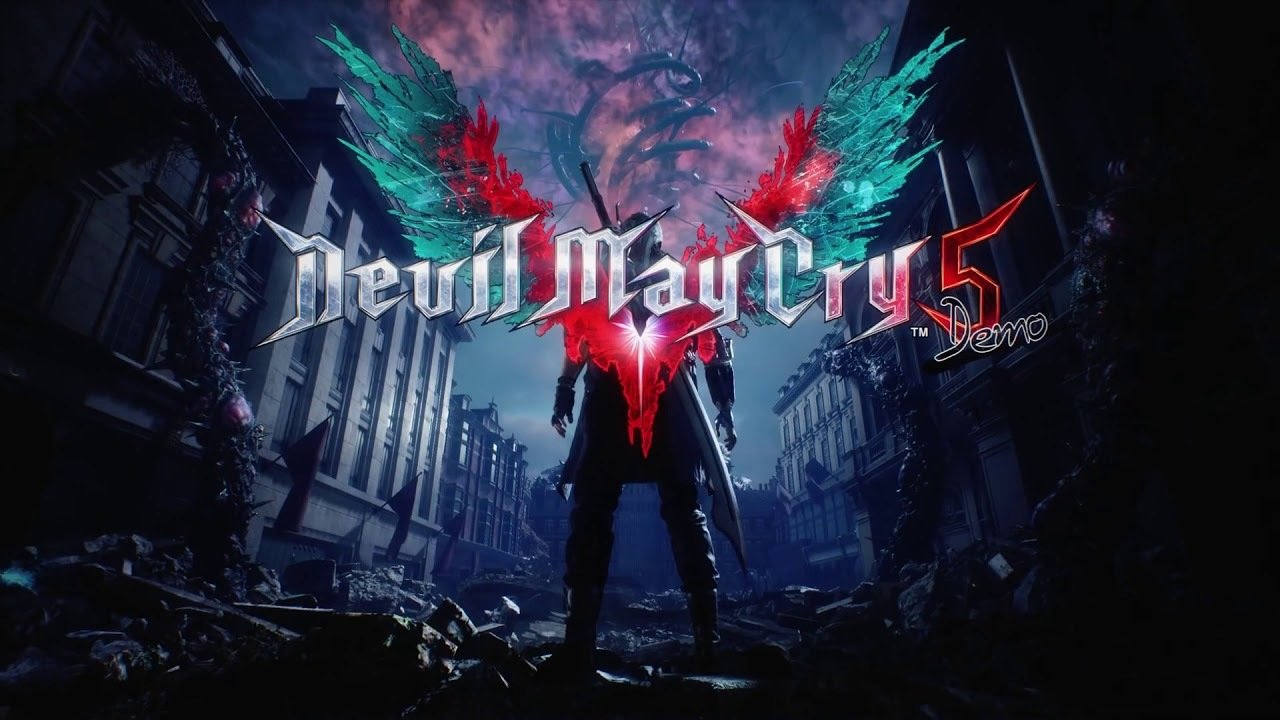
Our modern era of franchise entertainment demands ‘more of the same, only different’ from any long-running series. Each new installment must respect the fans that follow it, but also draw in new audiences. For many action games with ongoing narratives, that looks like what is jokingly referred to as ‘daddening’. Daddening has come to Devil May Cry 5. Dad Weight The (typically male) characters in these franchise games are self-reflective and taciturn. Burdened by the weight of their actions, they question who they are as a way of defining their respective series going forward. Gameplay actions become more intricate, but also more deliberate and less varied. If the era we are in is the ‘daddening of games’, then this period is their midlife crisis as they struggle to connect the violence they do with how they feel about it. How Devil May Cry 5 chooses to address this midlife crisis is by buying itself a motorcycle…that can split into a pair of giant, hand-held chainsaws.
With a ride like this, everyone but the driver needs to wear helmets. Rule of Cool That motorcycle should tell you what the Devil May Cry series is: aggressively unapologetic about its PS2 action game roots. After all, this is technically the sixth part in a story about a bloodline of half-demon ‘devil hunters’. It’s also the best entry in Devil May Cry canon to date because it understands its B-movie aesthetic. Once you do, too, everything else falls into place. The story’s a stylish power fantasy. Nero’…

YOU’VE REACHED YOUR LIMIT
Become a member and continue reading
Support independent journalism and unlock full access to our stories, analysis, live streams, and exclusive editorial content.
- Access to all member-only stories on
- Support writers you read most
- Read everything behind a paywall
- Access to live streams
- Comment on articles
Meet the author

Johnathan Mason
Live-action cartoon character, based on the tie-in manga inspired by the video game. Previous residences include The Disney Afternoon, the Turtle Lair, and Santa Destroy. Will edit for pizza and graphic novels.
View profile



Subscribe for more
Be part of the conversation
Subscribe to Black Nerd Problems to start commenting.
Already have an account? Log in